
Earthquakes are among the most destructive natural phenomena, capable of transforming landscapes and disrupting human life within seconds. They occur when accumulated geological stress beneath the Earth’s surface is released, producing seismic waves that cause the ground to tremble. Depending on their magnitude, depth, and location, earthquakes can result in widespread structural damage, landslides, tsunamis, and significant loss of life. Understanding the science behind these geological events, their environmental and social consequences, and the importance of disaster preparedness helps us recognise the risks and respond more effectively. This article presents an earthquake paragraph, along with its causes, effects, and safety measures.
Earthquake Paragraph in 100 Words
An earthquake is a natural disaster that causes the ground to shake suddenly. It happens when rocks beneath the Earth’s surface move and release energy. Most earthquakes occur due to the movement of tectonic plates. A strong earthquake can destroy houses, buildings, roads, and bridges. It may also cause landslides, injuries, and loss of life. Sometimes, earthquakes under the sea can produce dangerous tsunamis. People should remain calm and follow safety rules during an earthquake. They should take shelter under strong furniture and stay away from windows. Awareness and proper preparation can help reduce damage and save lives.
Earthquake Paragraph in 150 Words
An earthquake is a natural disaster that occurs when the ground shakes because of the sudden release of energy beneath the Earth’s surface. The main cause of earthquakes is the movement of tectonic plates. These plates are large pieces of the Earth’s outer layer that move slowly over time. When rocks suddenly break or slip along a fault, they release energy that travels through the ground as seismic waves.
Earthquakes can cause serious damage to human life and property. Strong shaking may destroy houses, schools, roads, and bridges. It can also trigger landslides, fires, and tsunamis. People may lose their homes and face difficulties finding food, water, and shelter after a major earthquake. We should learn how to stay safe during such emergencies. Taking shelter under strong furniture, staying away from windows, and keeping an emergency kit can help protect us. Public awareness and proper preparation are essential to reducing earthquake damage.
Earthquake Paragraph in 200 Words
An earthquake is a natural phenomenon in which the Earth’s surface shakes suddenly due to the release of energy beneath the ground. It mainly occurs because of the movement of tectonic plates. These plates form the outer layer of the Earth and move slowly in different directions. Sometimes, pressure builds up along cracks in the Earth’s crust, known as faults. When rocks suddenly break or slide, energy is released and travels through the ground in the form of seismic waves.
Earthquakes can happen in different parts of the world, and their strength can vary. A small earthquake may cause little or no damage, while a powerful one can destroy entire communities. Buildings, roads, bridges, and other structures may collapse. People can suffer injuries or lose their lives. Earthquakes can also cause landslides, fires, soil liquefaction, and tsunamis when they occur beneath the ocean.
Although earthquakes cannot be prevented, we can reduce their harmful effects through proper preparation. Buildings should follow earthquake-resistant construction standards. People should learn basic safety rules, participate in emergency drills, and keep essential supplies ready. During an earthquake, the safest general action indoors is to drop, cover, and hold on. Awareness and preparedness can save many lives.
Earthquake Paragraph in 250 Words
An earthquake is a natural disaster that occurs when the ground shakes due to the sudden release of energy beneath the Earth’s surface. The Earth’s outer layer consists of several large sections called tectonic plates. These plates move slowly, but sometimes they become stuck against each other. As pressure increases, rocks may suddenly break or slip along faults, releasing energy in the form of seismic waves. These waves cause the ground to shake.
Earthquakes can occur at any time and in almost every part of the world. Some are so weak that people cannot feel them, while others are powerful enough to destroy entire cities. Strong earthquakes can damage houses, schools, hospitals, roads, bridges, and other important structures. They may also cause landslides, fires, soil liquefaction, and tsunamis. Many people can lose their homes, belongings, and loved ones during a major earthquake.
Earthquakes have a serious impact on the environment and the economy. After a disaster, communities may face shortages of food, clean water, electricity, and medical facilities. Rescue workers often have to work under difficult conditions to help injured people and find survivors.
Although we cannot stop earthquakes from happening, we can reduce their harmful effects through preparation. Governments should enforce earthquake-resistant building standards and develop effective emergency plans. Schools should organise safety drills to teach children what to do during an earthquake. Everyone should know the Drop, Cover, and Hold On method and keep an emergency kit containing water, food, a torch, and first-aid supplies. Awareness and preparation can help save lives.
Earthquake Paragraph in 300 Words
An earthquake is a natural phenomenon that causes the sudden shaking of the Earth’s surface. It happens when energy stored beneath the ground is released due to the movement or breaking of rocks. The Earth’s outer layer is divided into large sections called tectonic plates. These plates move slowly over the Earth’s surface. Sometimes, they become stuck along their boundaries, allowing pressure to build up. When the rocks suddenly slip or break, the stored energy travels through the Earth as seismic waves, causing an earthquake.
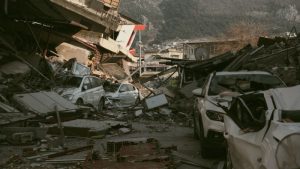
Earthquakes are among the most destructive natural disasters. They can occur without warning and affect thousands or even millions of people. A mild earthquake may cause slight shaking, but a powerful earthquake can destroy houses, schools, hospitals, roads, and bridges. It can also cause landslides, fires, soil liquefaction, and tsunamis. Undersea earthquakes are particularly dangerous when they disturb large amounts of water and generate tsunami waves. Such disasters can lead to loss of life, homelessness, and serious economic problems.
Countries located near active tectonic plate boundaries are often more exposed to earthquake hazards. However, earthquakes can happen in other regions as well. Therefore, every community should understand the risks and prepare for emergencies. Governments should construct earthquake-resistant buildings, improve emergency services, and spread public awareness. Schools should teach students about earthquake safety through regular drills.
People should also learn how to protect themselves. If an earthquake occurs while they are indoors, they should drop to the ground, take cover under a sturdy table or desk, and hold on until the shaking stops. They should stay away from windows and heavy objects that may fall. After the earthquake, people should check for injuries, avoid damaged buildings, and follow official instructions.
Although earthquakes cannot be prevented, their damage can be reduced through education, planning, and proper construction. Being prepared is one of the best ways to protect human life and property.
Earthquake Paragraph in 500 Words
An earthquake is one of the most powerful natural disasters that can change the lives of thousands of people within a few seconds. It refers to the sudden shaking of the Earth’s surface caused by the release of energy beneath the ground. This energy travels through the Earth in the form of seismic waves. Earthquakes can happen at any time, often without warning, and their intensity can range from very weak to extremely destructive.
The main cause of earthquakes is the movement of tectonic plates. The Earth’s outer layer is divided into several large and small plates that move slowly over the Earth’s surface. These plates constantly interact with one another. Sometimes, they get stuck along their boundaries because of friction. As the plates continue to move, pressure builds up in the surrounding rocks. When the pressure becomes too great, the rocks suddenly break or slip along a fault. This releases stored energy and causes the ground to shake. Volcanic activity can also produce earthquakes.
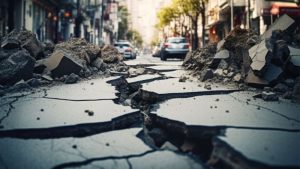
The effects of an earthquake depend on its strength, depth, location, and the quality of buildings in the affected area. A minor earthquake may cause little damage, but a powerful one can destroy entire neighbourhoods. Houses, schools, hospitals, roads, railway lines, and bridges may collapse. People can become trapped under damaged buildings, suffer serious injuries, or lose their lives. Earthquakes can also trigger landslides, fires, and soil liquefaction. When a strong earthquake occurs beneath the ocean, it may displace a large volume of water and generate a tsunami.
Earthquakes also create long-term problems for affected communities. Many families may lose their homes and need temporary shelter. Roads, electricity, communication networks, and water supplies can stop working. Hospitals may become overcrowded, while rescue teams face difficulties reaching remote areas. Businesses may close, and people may lose their sources of income. Rebuilding damaged communities can take months or even years.
There are several ways to reduce the harmful effects of earthquakes. Governments should enforce proper construction standards and encourage the use of earthquake-resistant building designs. Engineers must consider local earthquake risks when planning houses, schools, hospitals, and other structures. Schools should organise regular safety drills so that students know how to respond during an emergency. Public awareness programmes can also help people understand earthquake risks.
Every person should know basic earthquake safety rules. If an earthquake occurs while you are indoors, drop to your hands and knees, take cover under a sturdy table or desk, and hold on until the shaking stops. Stay away from windows, glass, and heavy objects that could fall. If you are outside, move to an open area away from buildings, trees, and power lines. After the shaking stops, check for injuries, avoid damaged structures, and follow instructions from emergency authorities. Keeping drinking water, dry food, medicines, a torch, and a first-aid kit ready can also be helpful.
Although earthquakes cannot be prevented, their impact can be reduced through knowledge, planning, and preparation. Everyone, including students, should understand the causes and dangers of earthquakes. Proper awareness, strong buildings, and timely emergency action can save lives and protect communities from unnecessary suffering.
Earthquake Paragraph with Bangla Meaning
An earthquake is a natural disaster that causes the sudden shaking of the Earth’s surface. It usually occurs due to the movement of tectonic plates beneath the ground. When rocks break or slip along faults, they release energy that makes the ground shake. Earthquakes can destroy houses, roads, bridges, and other buildings. They may also cause landslides, tsunamis, injuries, and loss of life. People living in earthquake-prone areas should always remain prepared for emergencies. They should follow safety rules, take shelter under strong furniture, and stay away from windows during an earthquake. Governments should construct strong buildings and organise awareness programmes. Although earthquakes cannot be prevented, proper preparation can reduce damage and save lives.
বাংলা অর্থ (Bangla Meaning)
ভূমিকম্প একটি প্রাকৃতিক দুর্যোগ, যার ফলে পৃথিবীর পৃষ্ঠ হঠাৎ কেঁপে ওঠে। সাধারণত মাটির নিচে অবস্থিত টেকটোনিক প্লেটের নড়াচড়ার কারণে ভূমিকম্প ঘটে। যখন ভূগর্ভের শিলাগুলো ভেঙে যায় অথবা ফাটল বরাবর সরে যায়, তখন শক্তি নির্গত হয় এবং মাটি কাঁপতে শুরু করে। ভূমিকম্পের ফলে বাড়িঘর, রাস্তা, সেতু এবং অন্যান্য স্থাপনা ধ্বংস হতে পারে। এছাড়া ভূমিধস, সুনামি, মানুষের আহত হওয়া এবং প্রাণহানির মতো ঘটনাও ঘটতে পারে। ভূমিকম্পপ্রবণ এলাকায় বসবাসকারী মানুষের সব সময় জরুরি পরিস্থিতির জন্য প্রস্তুত থাকা উচিত। ভূমিকম্পের সময় তাদের নিরাপত্তার নিয়ম মেনে চলতে হবে, শক্তপোক্ত আসবাবের নিচে আশ্রয় নিতে হবে এবং জানালা থেকে দূরে থাকতে হবে। সরকারের উচিত মজবুত ভবন নির্মাণ করা এবং সচেতনতামূলক কর্মসূচির আয়োজন করা। ভূমিকম্প প্রতিরোধ করা সম্ভব না হলেও সঠিক প্রস্তুতির মাধ্যমে ক্ষয়ক্ষতি কমানো এবং মানুষের জীবন রক্ষা করা যায়।
Wrapping Up
Earthquakes are powerful natural disasters that can cause serious damage to human life, property, and the environment. Although we cannot prevent them, we can reduce their impact through proper planning, strong buildings, and public awareness. Learning about their causes, effects, and safety measures is important for students and people of all ages. Whether you are preparing an earthquake paragraph for a school assignment or learning about natural disasters, remember that awareness and preparedness are essential. Following safety guidelines and helping others during emergencies can make communities safer and save valuable lives.
Frequently Asked Questions (FAQs)
Q1. What causes an earthquake?
An earthquake is mainly caused by the sudden movement of rocks along faults beneath the Earth’s surface. This movement releases stored energy, which travels through the ground as seismic waves. Volcanic activity can also cause earthquakes.
Q2. Where do most earthquakes occur?
Most earthquakes occur along the boundaries of tectonic plates, particularly around the Pacific Ring of Fire. This region includes countries such as Japan, Indonesia, New Zealand, and parts of the western coast of the Americas.
Q3. How are earthquakes measured?
Earthquakes are measured using seismographs, which record ground movements. Their magnitude is commonly reported using the Moment Magnitude Scale (Mw), while intensity describes how strongly people feel the shaking and the damage it causes at a particular location.
Q4. Can animals predict earthquakes?
There is no reliable scientific evidence that animals can consistently predict earthquakes before they happen. Some animals may behave unusually before or during an earthquake, but their behaviour cannot be used as an accurate warning system.
Q5. What is the strongest earthquake ever recorded?
The strongest earthquake recorded by modern instruments was the 1960 Valdivia earthquake in Chile, which had a magnitude of 9.5. It caused widespread destruction and generated tsunamis that affected several countries.
