

You’ve probably heard the saying before: “Dress doesn’t make a man great.” But do you know the full meaning behind it? It’s not just an old proverb. It’s a truth that speaks volumes, especially in today’s image-driven world. The phrase reminds you that a person’s true value doesn’t come from expensive clothes or outer appearance—it comes from character, wisdom, and action. And when it comes to moral education, there’s one classic tale that perfectly illustrates this idea the dress doesn’t make a man great story featuring the wise Sheikh Saadi. It’s a favorite in classrooms and HSC English exams, not just because it’s easy to write, but because it teaches a lesson worth remembering.
The Story of Sheikh Saadi: A Lesson Beyond Clothes
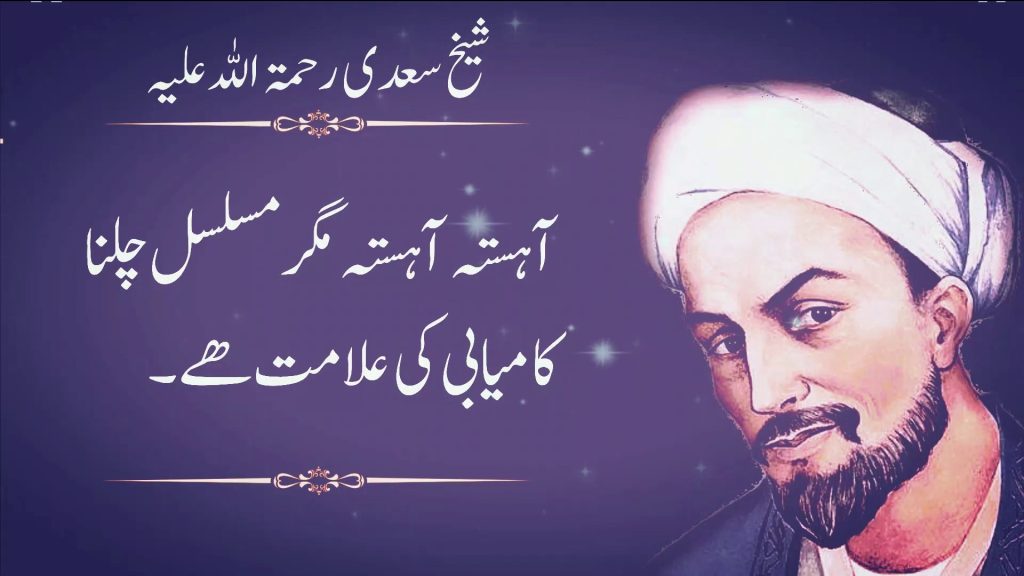
In ancient Persia lived a wise scholar named Sheikh Saadi, famous for his thoughtful words and modest lifestyle. He wasn’t just a poet or a philosopher he was someone who truly lived by the principles he taught. And one story from his life stands out when we talk about judging people based on their appearance.
One day, Sheikh Saadi was invited to a lavish dinner by a wealthy nobleman. True to his nature, he arrived in his regular, simple clothing. His clothes were clean but plain, showing no sign of wealth or status. When he entered the gathering, no one paid him much attention. The host barely greeted him, and other guests looked at him with disinterest. There was no warmth, no hospitality.
Days later, he received another invitation to a similar event. This time, he wore a rich, elegant cloak one that looked like it belonged to someone of high status. The moment he walked in, everything changed. The same host welcomed him with smiles, offered him a prime seat, and served him fine dishes personally. Everyone treated him like royalty.
As the food was being served, Sheikh Saadi quietly began placing handfuls of it into the pockets of his robe. People stared. Confused, the host asked, “What are you doing?”
Sheikh Saadi replied calmly, “You are not feeding me you are feeding my clothes. When I came in my regular attire, no one cared. Today, with fancy clothes, I receive royal treatment. So it must be the clothes you’re honoring, not the man.”
This clever response made everyone silent. The host realized his mistake and apologized. The guests felt ashamed. The dress doesn’t make a man great story had just come to life before their eyes, leaving behind a lesson they would never forget.
Dress Doesn’t Make a Man Great Story Bangla Meaning
In Bengali, this story is often told with the phrase: “পোশাক মানুষকে মহৎ করে না।” This translates directly to “Clothes don’t make a person great.” The Bangla meaning of this story is rooted in humility and fairness. It teaches students and readers to value others based on qualities like ভদ্রতা (politeness), জ্ঞান (wisdom), and মানবতা (humanity)—not based on wealth, fashion, or external polish.
In many Bangladeshi schools, this story is shared in both Bangla and English to help students understand that moral values are universal, crossing language and culture. The dress doesn’t make a man great story teaches that we must break free from judging others just by how they look and instead focus on what’s inside.
Why This Story Still Relevant Today

You live in a time where image is everything. First impressions are often made based on clothes, accessories, or social media profiles. But as the story shows, focusing on external appearance can lead to unfair judgments. Just because someone wears simple clothes doesn’t mean they lack intelligence, kindness, or talent.
In schools, students are often judged by how neat their uniforms are. In offices, employees with flashy suits may be praised, while others in basic outfits might be overlooked. On social media, influencers who flaunt branded clothing gain followers, even if their values are questionable. This bias is exactly what the dress doesn’t make a man great story speaks against.
What truly counts are inner values humility, honesty, compassion, and integrity. These are what define a person’s greatness. Sheikh Saadi didn’t speak with anger or shout to prove his point. He simply acted in a way that revealed the truth. That’s the kind of wisdom today’s world needs more of.
Dress Doesn’t Make a Man Great Story for HSC
If you’re preparing for your HSC exam, the dress doesn’t make a man great story for HSC is one of the most commonly recommended moral stories. Why? Because it’s simple, meaningful, and easy to connect with real-life situations. It helps you practice story structure, grammar, and moral explanation in a clean format.
To do well in your exam:
- Introduce the proverb in your first paragraph.
- Narrate the story of Sheikh Saadi clearly and step-by-step.
- Emphasize the turning point when he feeds his clothes.
- End with the moral and relate it to daily life.
- Use simple language and short paragraphs.
Including this kind of story in your exam not only strengthens your answer—it also shows your ability to reflect on real-world behavior and values, something examiners appreciate.
Moral Lessons You Can Apply
This story is not just for reading it’s for reflecting. You might not attend royal feasts, but you face situations every day where appearances influence judgment. Maybe it’s a new student in class wearing hand-me-downs, or a colleague who doesn’t speak fluent English. The way you treat them shows whether you’ve understood the story’s message.
The moral is clear: Don’t let clothes speak louder than the person wearing them. Respect must be based on actions, not outfits. Always look beyond the surface and value others for who they are, not how they look.
Final Thoughts
When you think about the phrase “dress doesn’t make a man great,” think of Sheikh Saadi’s story. It’s more than just an example, it’s a call to treat people fairly, to respect simplicity, and to recognize real value where it truly lies. The dress doesn’t make a man great story is a reminder that the brightest minds and kindest hearts are often hidden behind the simplest clothes.
So whether you’re studying for your exam or just trying to grow as a person, remember—what someone wears doesn’t define who they are. What they do, how they think, and how they treat others. That’s the lesson you carry forward. And that’s what will always set a truly great person apart.
Frequently Asked Questions
Q1: Who was Sheikh Saadi?
Sheikh Saadi was a Persian poet and scholar known for his simple lifestyle and powerful moral teachings.
Q2: What does the story teach?
It teaches that people should not be judged by their clothes or wealth, but by their character and actions.
Q3: How can this story help in exams?
It’s often used in English moral writing sections in the HSC syllabus and is valued for its clear structure and strong message.
Q4: Is this story still important today?
Yes, very much so. In today’s image-driven society, the story reminds people to look past appearances and focus on real worth.
Q5: Can I rewrite this story in my own style?
Absolutely. Just make sure the message remains clear, and the main events are told accurately.
