
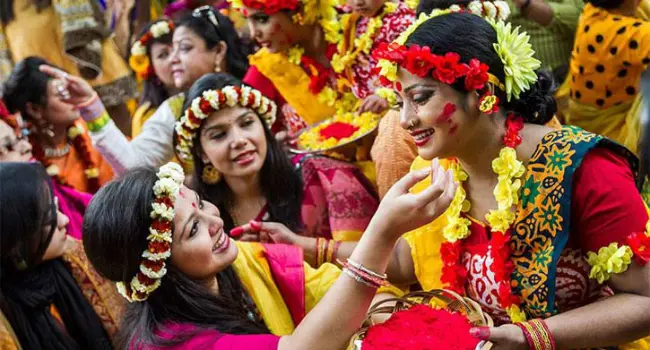
Pahela Baishakh marks the first day of the Bengali New Year, celebrated on April 14th with joy, music, dance, and cultural rituals. People wear traditional red and white attire, prepare festive foods like panta bhat and ilish bhaji, and participate in fairs and cultural programs. The famous Mangal Shobhajatra procession, organized by Dhaka University, features colorful masks, floats, and traditional music, symbolizing unity and cultural pride. This pahela baishakh paragraph highlights the significance of the day, showcasing how communities come together to honor Bengali heritage, strengthen social bonds, and embrace new beginnings with happiness and hope.
Pahela Baishakh Paragraph for Class 6
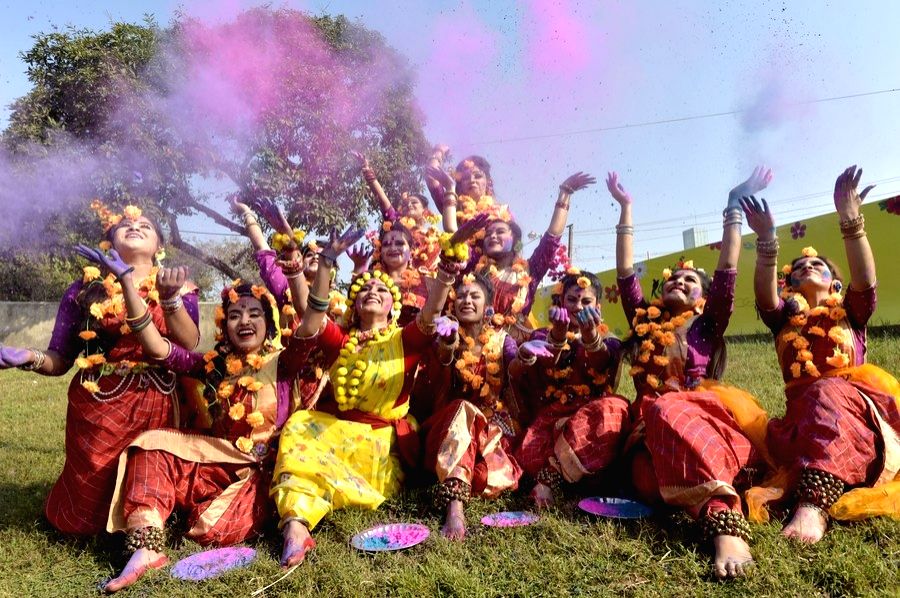
Pahela Baishakh is the first day of the Bengali New Year. On this day, people wear new clothes, usually in red and white, symbolizing joy and purity. Families prepare traditional foods like panta bhat (soaked rice) and ilish bhaji (fried hilsa fish). Children enjoy participating in cultural programs and fairs. The day is filled with music, dance, and community celebrations, bringing people together to honor Bengali culture. People also visit temples and offer prayers to seek blessings for a happy and prosperous new year.
Pahela Baishakh Paragraph for Class 7
Pahela Baishakh, celebrated on April 14th, marks the beginning of the Bengali New Year. The day is observed with various customs and traditions. People dress in traditional attire, often in red and white, and greet each other with “Shubho Noboborsho” (Happy New Year). Families prepare special dishes like panta bhat and ilish bhaji. The Mangal Shobhajatra, a grand procession organized by the Faculty of Fine Arts at Dhaka University, is a highlight of the celebrations. This procession features large colorful masks, floats, and traditional music, symbolizing unity and cultural pride. Recognized by UNESCO as an Intangible Cultural Heritage, the Mangal Shobhajatra represents the collective spirit of the Bengali people.
Pahela Baishakh Paragraph for Class 8
Pahela Baishakh holds deep cultural significance as the first day of the Bengali New Year. Originating during Emperor Akbar’s reign in the 16th century, the day was introduced to align the tax collection system with the harvest season. Over time, it evolved into a celebration of Bengali culture and traditions. On this day, people wear traditional attire, prepare special foods, and participate in cultural programs. The Mangal Shobhajatra, a vibrant procession featuring large masks and floats, is a key event. This procession symbolizes unity, peace, and the collective identity of the Bengali people. Recognized by UNESCO as an Intangible Cultural Heritage, the Mangal Shobhajatra continues to be a testament to the rich cultural heritage of Bangladesh.
Pahela Baishakh Paragraph for HSC
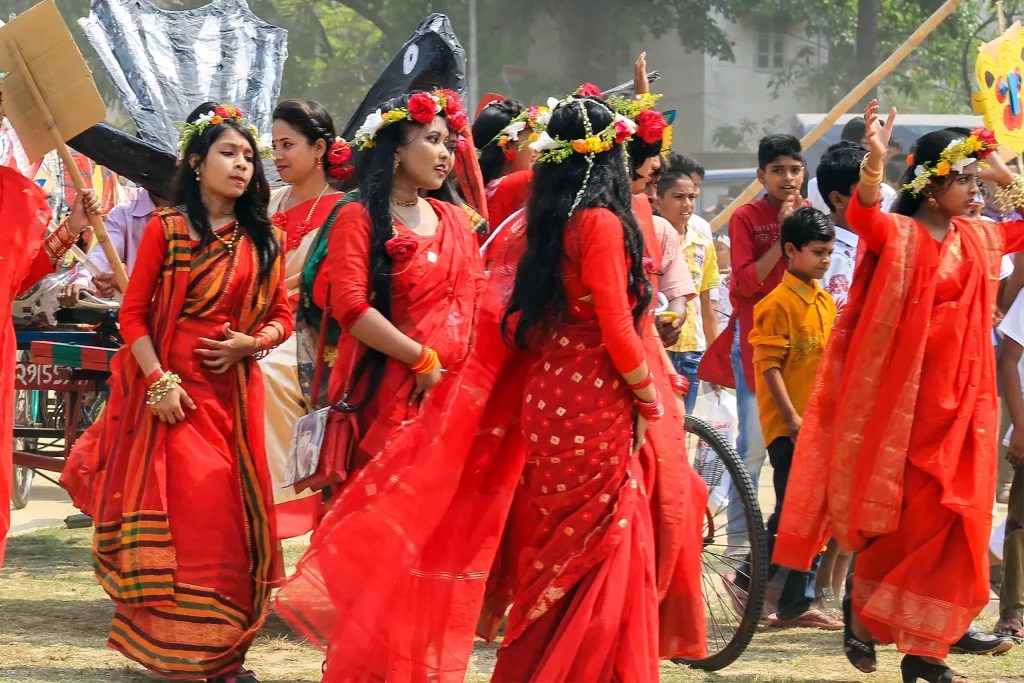
Pahela Baishakh is more than just the first day of the Bengali New Year; it is a celebration of cultural heritage, unity, and renewal. The tradition dates back to the 16th century during the reign of Emperor Akbar, who introduced the Bengali calendar to synchronize tax collection with the harvest season. Today, the day is marked by various customs, including wearing traditional attire, preparing special dishes, and participating in cultural programs. The Mangal Shobhajatra, a grand procession organized by the Faculty of Fine Arts at Dhaka University, is a significant event. Featuring large colorful masks, floats, and traditional music, the procession symbolizes unity, peace, and the collective identity of the Bengali people. Recognized by UNESCO as an Intangible Cultural Heritage, the Mangal Shobhajatra reflects the resilience and cultural pride of the Bengali community.
Pahela Baishakh Paragraph 100 Words
Pahela Baishakh is the first day of the Bengali New Year, celebrated on April 14th. People wear new clothes, usually in red and white, and greet each other with “Shubho Noboborsho” (Happy New Year). Traditional foods like panta bhat and ilish bhaji are prepared and shared among families. The Mangal Shobhajatra, a grand procession featuring colorful masks and floats, is a highlight of the celebrations. This procession symbolizes unity and cultural pride. Pahela Baishakh is a day to embrace new beginnings and celebrate Bengali culture.
Pahela Baishakh Paragraph 150 Words
Pahela Baishakh, celebrated on April 14th, marks the beginning of the Bengali New Year. The day is observed with various customs and traditions. People wear traditional attire, often in red and white, and greet each other with “Shubho Noboborsho” (Happy New Year). Families prepare special dishes like panta bhat and ilish bhaji. The Mangal Shobhajatra, a grand procession organized by the Faculty of Fine Arts at Dhaka University, is a highlight of the celebrations. This procession features large colorful masks, floats, and traditional music, symbolizing unity and cultural pride. Recognized by UNESCO as an Intangible Cultural Heritage, the Mangal Shobhajatra represents the collective spirit of the Bengali people. Pahela Baishakh is a time to embrace new beginnings, celebrate traditions, and strengthen community bonds.
Pahela Baishakh Paragraph 200 Words
Pahela Baishakh is the first day of the Bengali New Year, celebrated on April 14th. It is a day filled with joy, cultural activities, and traditional customs. People wear new clothes, usually in red and white, symbolizing happiness and purity. Families prepare traditional foods like panta bhat and ilish bhaji, which are shared among relatives and friends. The Mangal Shobhajatra, a grand procession organized by the Faculty of Fine Arts at Dhaka University, is a significant event. The procession features large colorful masks, floats, and traditional music, symbolizing unity and cultural pride. Recognized by UNESCO as an Intangible Cultural Heritage, the Mangal Shobhajatra reflects the collective spirit of the Bengali people. In addition to the procession, various cultural programs, fairs, and performances take place across cities and villages. These activities showcase the rich cultural heritage of the Bengali community. Pahela Baishakh is not only a celebration of the new year but also a time to reflect on the past, embrace new beginnings, and strengthen community bonds.
Pahela Baishakh Paragraph 300 Words
Pahela Baishakh, observed on April 14th, marks the beginning of the Bengali New Year. The tradition dates back to the 16th century during the reign of Emperor Akbar, who introduced the Bengali calendar to synchronize tax collection with the harvest season. Today, the day is celebrated with various customs and traditions that reflect the rich cultural heritage of the Bengali people.
On Pahela Baishakh, people wear traditional attire, often in red and white, symbolizing happiness, prosperity, and purity. Families prepare and enjoy special dishes like panta bhat and ilish bhaji, which are shared with relatives and friends. The Mangal Shobhajatra, a grand procession organized by the Faculty of Fine Arts at Dhaka University, is a significant event. The procession features large colorful masks, floats, and traditional music, symbolizing unity and cultural pride. Recognized by UNESCO as an Intangible Cultural Heritage, the Mangal Shobhajatra reflects the collective spirit of the Bengali people.
In addition to the procession, various cultural programs, fairs, and performances take place across cities and villages. These activities showcase the rich cultural heritage of the Bengali community and provide an opportunity for people to come together and celebrate. Pahela Baishakh is not only a celebration of the new year but also a time to reflect on the past, embrace new beginnings, and strengthen community bonds. It serves as a reminder of the importance of unity, tradition, and cultural pride in the Bengali community.
Wrapping Up
In conclusion, Pahela Baishakh is a vibrant celebration that encapsulates the essence of Bengali culture, unity, and renewal. From the colorful processions of the Mangal Shobhajatra to the traditional foods and attire, every aspect of the celebration reflects the rich heritage of the Bengali people. This Pahela Baishakh paragraph serves as a reminder to embrace new beginnings, honor traditions, and strengthen community bonds. Whether you’re participating in the festivities or learning about them, Pahela Baishakh offers a glimpse into the heart of Bengali culture and the spirit of togetherness.
Frequently Asked Questions(FAQs)
Q1. What is Pahela Baishakh?
Pahela Baishakh is the first day of the Bengali New Year, celebrated on April 14th. It marks a new beginning and is observed with traditional foods, cultural programs, and vibrant festivities across Bangladesh and parts of India.
Q2. When is Pahela Baishakh celebrated?
Pahela Baishakh is celebrated every year on April 14th according to the Bengali calendar. The date aligns with the harvest season, making it an important time for farmers and communities to welcome the new year.
Q3. How do people celebrate Pahela Baishakh?
Celebrations include wearing traditional red and white attire, preparing and sharing special foods like panta bhat and ilish bhaji, participating in cultural programs, visiting fairs, and watching the Mangal Shobhajatra procession, which symbolizes unity and cultural pride.
Q4. What is the Mangal Shobhajatra?
The Mangal Shobhajatra is a grand procession organized by Dhaka University’s Faculty of Fine Arts. Featuring large colorful masks, floats, and traditional music, it represents unity, harmony, and the cultural heritage of the Bengali people. It is recognized by UNESCO as an Intangible Cultural Heritage.
