
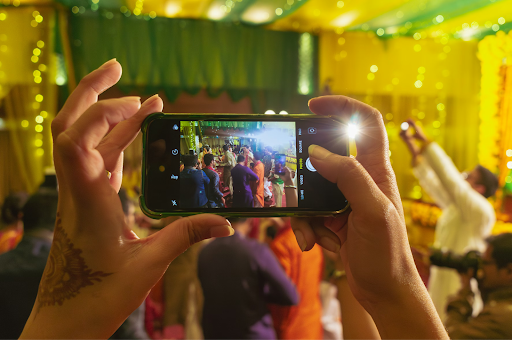
If there is tech that has changed the world faster than anything else, the smartphone is definitely number one. This device, with unprecedented technological advances, has influenced how people live their lives in Bangladesh. It started as a luxury item but has become, sooner or later, a fundamental tool for survival, communication, and business for millions of people.
The way smartphones have become an integral part of everyday life has been studied for years now. They are not only used by regular online users, but also by the government to make a lot of processes much more transparent. It does not matter in which city of Bangladesh a particular person lives; it is impossible to escape smartphones, because of how big this segment is already.
The Digital Revolution In The Palm of Your Hand
Most people think of smartphones as normal gadgets, but it was not always like that. In the early 2010s, mobile communications in Bangladesh were primarily associated with simple push-button phones; by 2026, the situation had changed completely. The smartphone has become the «Swiss knife» of the digital age.
For the younger generation, which makes up over 60% of the country’s population, gadgets are the primary source of information. Education, previously confined to the walls of schools, is now accessible through YouTube, EdTech platforms, and specialized apps. Given the high population density and transportation congestion in megacities, the ability to study or work remotely has become a real lifesaver.
Social Trends and New Habits
Beyond the economy, smartphones have deeply penetrated the social fabric of society. Traditional forms of communication are being supplemented or completely replaced by instant messaging apps. WhatsApp and Messenger have become the primary communication channels not only for young people but also for older generations, who can now see their children and grandchildren working abroad via video calls.
It is interesting to note how leisure is changing. The penetration of high-speed 4G internet and the introduction of 5G in major cities have fueled a boom in mobile gaming. Young people spend hours playing competitive games, which has even led to the formation of professional eSports teams. Meanwhile, interest in online entertainment in general is growing. For example, many users are seeking leisure platforms like WIN BET Bangladesh to try their luck or simply escape the daily grind. Such resources are becoming part of a new digital entertainment ecosystem that is adapting to the local market.
Impact On The Economy and Finance
The first major change came in the form of the active development of mobile financial services. Platforms like bKash and Nagad have revolutionized banking by providing access to those who never had a traditional bank account.
Smartphones have opened up the opportunity for people to instantly transfer money, pay their bills, and receive benefits from the government. It has become a good reason for the reduction of corruption and for making all kinds of transactions much more transparent and straightforward. There are a few key areas in which smartphones are most actively transforming the daily lives of Bengalis:
- Financial Inclusion. Millions of people in rural areas have gained access to secure payments and savings.
- E-Commerce. The rise of platforms like Daraz and Chaldal has changed consumption habits, making shopping accessible even in remote areas.
- Transportation and Logistics. Ride-sharing apps have solved the problem of getting around in crowded cities.
- Healthcare. Thanks to smartphones, people are able to receive consultations from leading doctors in the capital, without the need to go to the city. It saves a lot of time and, as a result, a lot of lives.
- Entertainment and Content. Local streaming services and social media have become the main platforms for self-expression and cultural exchange.
These changes are facilitating the formation of a new digital identity for citizens, where mobility and speed are becoming the primary values.
Statistical Overview of Digitalization
Each year, the number of active mobile users is growing in this country. You can tell the difference even by looking at the comparison between how the situation was in 2022 and how it is in 2026.
| Indicator | 2022 | 2026 |
| Smartphone penetration | 47% | 63% |
| Number of mobile internet users | Around 65 million | Around 82 million |
| Share of cashless payments via smartphones | 12% | 25% |
| Average daily time spent on a smartphone | 3.2 hours | 4.1 hours |
You just cannot stop the growth of the mobile sector, because all people need such a device as a smartphone. It makes their life much more comfortable than it has ever been.
Education And Self-Development In The Digital Age
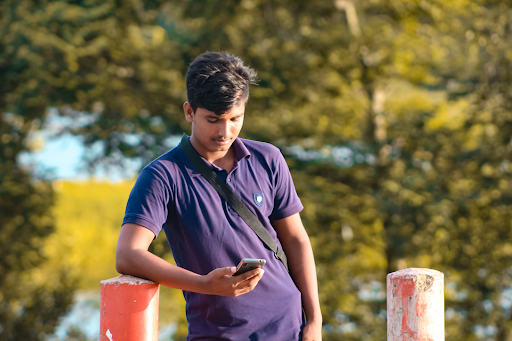
In Bangladesh, the smartphone has become a key tool of socialization for the new generation. Thanks to access to international education platforms, thousands of young people are learning programming, design, and marketing through freelance work. This has become a top reason why the country has become a leader in the number of people who register an account to work online, instead of going to standard work.
The smartphone has become a great tool for the agriculture business. Farmers have started to actively use applications to check the current market prices, receive weather forecasts, and receive advice on crop protection. This has increased the efficiency of agriculture, which is the core of the country’s economy at the moment.
But there are definitely a few challenges that society started to face in the process of rapid digitalization:
- Digital divide. Despite overall growth, residents of remote areas still face poor connection quality.
- Cybersecurity. Low levels of digital literacy make many users vulnerable to fraud.
- Information overload. The vast influx of content, including fake news, requires the development of critical thinking.
- Gadget addiction. Psychologists note a rise in anxiety among young people due to their constant presence on social media.
- Economic inequality. Access to premium services and high-speed internet still depends on income level.
The government and private sector are actively working to minimize these risks by implementing digital education programs and expanding infrastructure. Smartphones in Bangladesh have become such a success because they managed to provide everything a modern person might need throughout the day – phone, camera, gaming, newsletter, TV, and streaming. All of this created perfect conditions for the systematic transformation of the country. They are changing the way people earn money, spend it, learn new skills, and even communicate. Today’s Bangladesh is a dynamic nation, looking to the future through a mobile phone screen.
You cannot stop this progress, because while there are certain challenges, people are already using mobile technology more than people would have imagined even 10 years ago. There are no more barriers in terms of what can be launched on a mobile device. More innovations are planned for the future, including the integration of AI and solutions that are going to cement the smartphone as a definitive companion of any online user.
