
Chances are, your teacher just gave you a civic engagement paragraph to write, and the words sound bigger than they need to be. They’re not. This topic is really about something you already understand: people helping their community in small and big ways. The hard part isn’t the idea. It’s turning that idea into a clear paragraph that ticks all the right boxes on your exam.
That’s what this guide is here for. You’ll get ready-made paragraphs in different word counts, a simple list of the types of civic engagement, and easy tips to help you write your own version with confidence.
What is Civic Engagement?
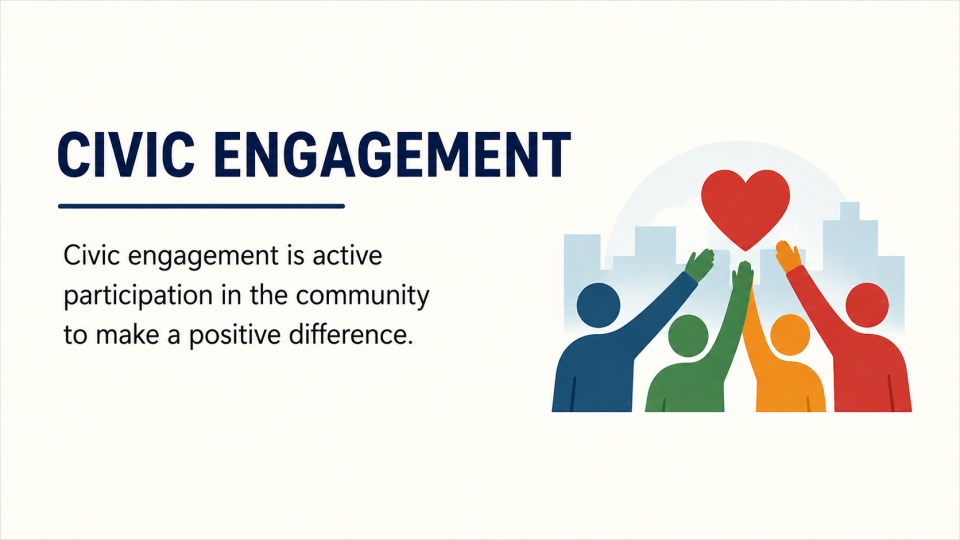
If your teacher has just asked you to write a civic engagement paragraph, you’re probably wondering where to even begin. Here’s the short version: civic engagement means taking part in activities that improve your community, your society, or your country. It’s not one single action — it’s an umbrella term that covers everything from voting in an election to picking up litter in a local park.
You’ll find this topic in English textbooks across almost every grade level, and for good reason. It teaches you two things at once: how to write a structured paragraph, and how to think like an informed, responsible citizen. Once you understand the core idea, the writing part becomes surprisingly easy.
Civic Engagement Paragraph in 100 Words
Civic engagement means taking an active part in activities that benefit your community and society. It includes actions like voting, volunteering at local shelters, cleaning up neighborhood parks, and raising awareness about important social issues. When people engage civically, they build stronger, more connected communities and support the smooth functioning of democracy. Students, too, can practice civic engagement in small but meaningful ways, helping elderly neighbors, joining school clean-up drives, or participating in community discussions. These simple acts teach responsibility and empathy from an early age. In short, civic engagement is not reserved for adults alone; it is a habit anyone can build, starting today.
Civic Engagement Paragraph in 150 Words
Civic engagement refers to the various ways individuals participate in shaping and improving the world around them. It covers a wide range of actions, some political, like voting and contacting elected officials, and others non-political, like volunteering, mentoring, or organizing community clean-up drives. At its core, civic engagement is built on a simple idea: that ordinary people, working together, can solve problems that affect everyone.
For students, civic engagement often starts small. Planting a tree, donating old books to a shelter, or speaking up about an issue on social media are all valid forms of participation. These actions may look minor on their own, but collectively, they create real, measurable change. Civic engagement also strengthens democracy, because it keeps citizens informed, involved, and accountable to one another. Without it, communities lose the trust and cooperation that hold them together. That is why schools encourage students to understand and practice it early.
Civic Engagement Paragraph in 200 Words
Civic engagement is the active participation of individuals in activities that address public concerns and strengthen the communities they live in. It is often described as the glue that holds a democratic society together, because it depends entirely on citizens choosing to get involved rather than staying silent or passive.
There are two broad categories of civic engagement: political and non-political. Political engagement includes voting, attending town hall meetings, signing petitions, and contacting local representatives about issues that matter. Non-political engagement includes volunteering at food banks, mentoring younger students, cleaning up public spaces, or supporting local charities. Both forms matter equally, since they push society forward in different but complementary ways.
Civic engagement also has personal benefits. It builds leadership skills, improves communication, and creates a sense of belonging within a community. Students who engage civically early in life tend to grow into adults who vote regularly, stay informed about public issues, and contribute meaningfully to society. In this sense, civic engagement is not just a duty; it is an investment, both for the individual and for the wider community they belong to.
Civic Engagement Paragraph in 250–300 Words
Civic engagement is the process through which individuals take an active role in improving the society and community they belong to. It rests on a simple but powerful idea: democracy works best when citizens participate rather than merely observe. This participation can take many forms, ranging from formal political action to everyday community involvement.
On the political side, civic engagement includes voting in elections, attending public meetings, writing to elected officials, and joining peaceful protests to support a cause. These actions give citizens a direct voice in how their communities and countries are governed. On the non-political side, civic engagement includes volunteering at shelters, organizing neighborhood clean-up drives, mentoring students, donating to those in need, and raising awareness about social issues through community events or social media.
Why does any of this matter? For one, civic engagement builds trust between citizens and the institutions meant to serve them. Communities where people actively participate tend to have lower crime rates, stronger public services, and higher overall satisfaction among residents. For another, it builds essential life skills: leadership, teamwork, and communication that benefit individuals long after any single activity ends.
Students can begin practicing civic engagement well before adulthood. Something as simple as organizing a school recycling program, helping an elderly neighbor, or participating in a local debate about community issues counts as genuine civic participation. These early habits often carry forward, shaping the kind of engaged, responsible citizens a society depends on.
In conclusion, civic engagement is not a single act but a mindset one built on the belief that everyone has a role to play in making their community better, one small action at a time.
Types of Civic Engagement You Can Mention in Your Paragraph
Including specific types in your paragraph instantly makes it feel more detailed and exam-ready. Here are the three main categories worth knowing.
1. Political Engagement
This covers voting, campaigning, attending public meetings, contacting elected representatives, and signing petitions. It’s the most direct way citizens influence government decisions and public policy.
2. Community and Volunteer Engagement
This includes clean-up drives, food and clothing donations, tutoring, mentoring, and disaster relief work. It’s usually the easiest category for students to write about, since school-organized activities often fall right into it.
3. Digital and Online Engagement
A newer but increasingly important category raising awareness through social media, signing online petitions, or joining virtual community forums. Mentioning this shows examiners you understand how civic participation has evolved with technology.
Why Civic Engagement Important
If your paragraph needs more depth, these three points give you solid material to expand on.
It Strengthens Democracy
Civic engagement keeps governments accountable. When citizens vote, ask questions, and stay informed, public institutions are pushed to act more transparently and responsibly.
It Builds Stronger Communities
Regular participation even something as small as attending a neighborhood meeting builds trust and cooperation between people. This is often referred to as social capital, and it directly correlates with safer, more resilient communities.
It Empowers Individuals
Getting involved civically teaches people that their voice and actions genuinely matter. This sense of empowerment tends to carry into other areas of life, from academics to future careers.
Tips to Write a High-Scoring Civic Engagement Paragraph
A good paragraph isn’t just about having the right facts; it’s about presenting them well. Keep these in mind.
Start With a Strong Topic Sentence: Your first sentence should clearly define civic engagement. Avoid vague openers; get straight to the point.
Use Transition Words: Words like “however,” “for example,” “moreover,” and “in conclusion” help your ideas flow logically from one to the next, which examiners notice immediately.
Add Real-Life Examples: Instead of only stating that civic engagement “helps society,” name a specific example: a clean-up drive, a voter registration campaign, a community fundraiser. Specifics always score better than generalities.
Keep Grammar and Punctuation Clean: Simple, well-punctuated sentences read far better than long, complicated ones. Read your paragraph out loud once before submitting it; you’ll catch more mistakes that way than by silently reviewing it.
Wrapping Up
Writing a civic engagement paragraph doesn’t have to feel like a chore once you understand the core idea: it’s simply about people choosing to get involved in making their communities better. Whether you’re working on a 100-word answer or a full 300-word exam response, the winning formula stays the same: a clear definition, relevant examples, and a well-structured flow from introduction to conclusion.
Use the samples above as a starting point, but try rewriting them in your own words. Not only will that help you avoid sounding repetitive if multiple paragraphs are compared, it’ll also help the ideas actually stick, which, honestly, is the whole point of learning about civic engagement in the first place.
Frequently Asked Questions (FAQs)
Q1. What is civic engagement in simple words?
Civic engagement simply means getting involved in activities that help your community, whether that’s voting, volunteering, or raising awareness about a local issue.
Q2. Why is civic engagement important for students?
It builds responsibility, teamwork, and communication skills early on, while also helping students understand how democracy and community life actually work.
Q3. What are some real examples of civic engagement?
Common examples include voting, volunteering at shelters, organizing clean-up drives, mentoring younger students, attending community meetings, and signing petitions for causes you care about.
Q4. How do you start a civic engagement paragraph?
Begin with a clear, one-sentence definition of civic engagement, then move into examples and its importance, before closing with a short concluding thought.
Q5. What is the ideal word count for exam paragraphs?
It depends on your class level; younger students usually write 100–150 words, while senior students (SSC/HSC level) are often expected to write 200–300 words with more detail and structure.
